2.International Project Meeting: Sustainability Goals in my City, 4.03.25
The third project meeting on ‘Sustainability Goals in My City’ took place with a diverse group of participants. The session began with a conversation-based introduction, where attendees shared insights about cultural traditions such as Fasching in Germany and Mateniza in Bulgaria, as well as their hobbies, ranging from travel and dance to music and sports. Following the introductions, the session moved to an input activity titled ‘The Blank Sheet,’ prompting reflections on education. This was complemented by an interactive Mentimeter survey asking, ‘What is education?’ In small group discussions, participants explored key questions related to Sustainable Development Goal 4 (Quality Education). They reflected on whether this goal is well implemented in their schools and how teachers and students can collaboratively make the educational process more engaging and creative. Another discussion focused on places in their cities that align with these educational goals. In one group, discussions revolved around accessibility to education. Participants shared their experiences from different countries, highlighting the varying costs and opportunities in Ukraine, Bulgaria, and Germany. Topics included tuition fees, university accessibility, the impact of war on education, and inclusivity for students with disabilities. The conversation also touched on gender equality in education, with insights into how opportunities differ across regions and fields of study. Another group focused on the structure of educational systems and equality in access to learning. They discussed entrance exams, the role of teachers in inspiring students, and the impact of government policies on equal opportunities. Examples from different educational systems illustrated the balance between public and private schooling, lifelong learning opportunities, and the importance of inclusive education. The session proceeded with a review of places in various cities that promote lifelong learning, such as adult education centers, community institutions, and university extension programs. Participants also discussed the role of political education in shaping democratic engagement, comparing different approaches in Germany, Bulgaria, and the USA. The discussion highlighted student participation in school decision-making, the influence of student councils, and their varying degrees of authority in different countries. The meeting concluded with a summary of key insights and a reflection on the importance of individual contributions to the education system. Participants were tasked with identifying additional non-traditional learning spaces beyond schools and universities for future discussions. The session fostered meaningful exchanges and set the stage for continued collaboration on sustainability and education.
Qualification Seminar: Zoom and ViMA danube, 18.02.25
On February 18, 2025, an ActionBound training session took place from 18:00 to 19:45. The session began with an introduction round, though the entire group from Sofia was absent. Following this, a presentation on Zoom was given, covering basic functions such as changing names, speaker and gallery view, reactions, and chats. Additional features like breakout rooms, screen sharing, whiteboards, requesting subtitles, participating in polls, and the interpreter function were also introduced. Most participants were already familiar with these functions, except for the interpreter feature. There was some uncertainty regarding whether the browser version of Zoom offers the same functionalities. To engage participants, an interactive exercise was conducted using a prepared whiteboard where they could express their thoughts on sustainability goals. Responses included peace, equality, education, gender equality, health, climate change, reducing inequalities, and life on land. Additionally, a translation exercise was carried out to test the interpreter function, where Ukrainian and German were used in a simulated scenario. The next segment of the training focused on ViMA Danube. A brief introduction was provided, and it was confirmed that all participants had successfully registered without any issues. Following this, the discussion shifted to the connection between students from different countries. So far, interactions had primarily taken place via messages and at the Danube Festival in Ulm. One of the project’s goals is to encourage more exchange among students, and those who actively contribute may have the opportunity to visit Ulm at the end of the project. Participants then proposed topics for discussion within the project, including education, both general and outside traditional institutions, Europe as a unified structure, democracy and its influence on society, and freedom. The session concluded with a discussion on historical events in Ulm, particularly the White Rose movement, and ways to prevent similar occurrences in the future. This training provided participants with essential digital tools and initiated meaningful discussions for the project.
1.International Project Meeting: Sustainaility Goals in my City, 04.02.25
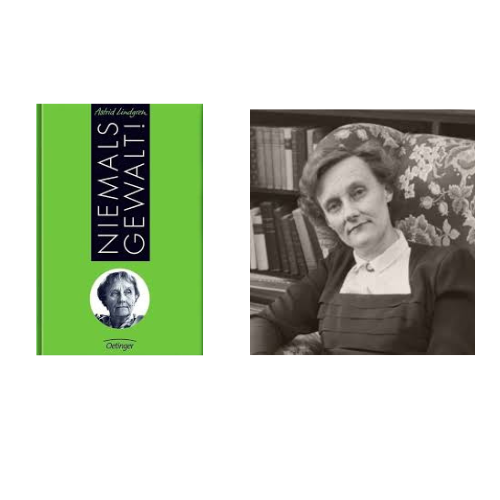
The meeting, attended by 34 participants, began with an introduction to the Danube Networkers and the ActionBound project, followed by a reading of Niemals Gewalt to set the stage for discussions on peace and unrest. A brainstorming session explored these concepts before participants were divided into three breakout groups. Group A discussed definitions of peace, emphasizing both physical and psychological aspects. They debated the role of childhood education in shaping attitudes toward violence, citing Pippi Longstocking as an example of self-determination. The group also explored factors that disrupt peace, such as communication breakdowns, bullying, and online harassment. Group B examined whether violence is inherent in human nature or learned. Some participants argued that while humans have instinctive aggression, education and social norms play a crucial role in fostering nonviolence. The group discussed how critical thinking and discipline help counteract violent tendencies and promote cooperation. Group C focused on how education can nurture nonviolence. They highlighted the importance of patience, emotional support, and strong role models. The group also identified obstacles, including rigid educational structures and early exposure to social pressures, recommending more empathy-driven learning and limited social media for young children. After reconvening, each group presented their findings. Discussions emphasized how peace, violence, and education are interconnected, with institutional and personal influences playing key roles. The session concluded with an introduction to ActionBound and sustainability discussions. Participants were tasked with identifying local initiatives supporting sustainability goals for future project work. In closing, attendees expressed appreciation for the exchange of diverse perspectives and noted the importance of open discussions on violence and peace. The next session in two weeks will introduce Zoom and ViMA to support further collaboration.