
Online lecture “What does Solidarity Mean?” by Oskar Brabanski

In his lecture “What Does Solidarity Mean?”, Oskar Brabanski explored the philosophical and biblical origins of the concept as well as its limitations. The lecture was held in German, with translation into English,
Presentation “Ethics of Educational Research: An agenda for discussion” by Dr. Hugh Busher

In his presentation “ Ethics of Educational Research: An agenda for discussion ”, Dr. Busher addresses key ethical questions in educational research. He reflects on why ethical frameworks are essential for the quality and credibility of research and shows issues such as informed consent, the protection of participants from harm, researchers’ moral responsibility, confidentiality, and data protection. He also highlights how ethical considerations arise at every stage of a research project and why particular care is needed when working with vulnerable groups or sensitive topics.
Online Lecture “How outreach programs can foster the civil participation of older people” with Dr. Dušana Findeisen

In her lecture, Dr. Findeisen will explain the concept of outreach as it is understood in social welfare, adult education, and education for older people across different European contexts. The lecture will focus on how outreach practices aim to identify, approach, and support vulnerable and socially disadvantaged groups who are at risk of marginalization.
Come Together – Ukrainians in times of war and their resilience

This special session shows how democracy is rooted through solidarity, participation, and mutual support in society. Voices from Ukraine as well as Ukrainians who have found refuge in Germany, including in Ulm, share their experiences, challenges, and hopes, highlighting the importance of support that empowers people to help themselves.
Online Lecture “Virtual Neighbourhoods against loneliness” with Carmen Stadelhofer

Today, people often live next door to each other without knowing one another. Many people are under strong time pressure or have very different interests. Young and old people rarely meet in a natural and friendly way. Since the coronavirus pandemic, the number of people who describe themselves as lonely has increased in all age groups. In her lecture Carmen Stadelhofer shows how Neighbourhood’ as a social construct has changed and how digital media can help to strenghten social cohesion: Download the PowerPoint Presentation here:
Online Lecture with Dr. Mirona Stanescu “Theaterpädagogik als Medium der Global Citizenship Education – Weltverantwortung auf der Bühne erproben“

Theatre pedagogy provides a unique space where global issues are not only discussed intellectually but also experienced and negotiated collectively. Within the framework of Global Citizenship Education (GCE), the aim is to empower individuals to see themselves as part of a global community, to take responsibility, and to act towards a fairer and more sustainable world. Theatre – as an art form grounded in empathy, collaboration, and imagination – offers powerful ways to explore these goals. In her lecture Dr- Stanescu examines how methods can make complex global realities tangible and relatable. Through practical examples, she illustrates how theatre-based learning engages mind, body, and emotions, encouraging participants to reflect critically while developing compassion and agency. The lecture was hold in German with translation.
Online Lecture with Dr. Karen Glinert Carlson, “What has family story to do with civil engagement, democracy, and antiracism”
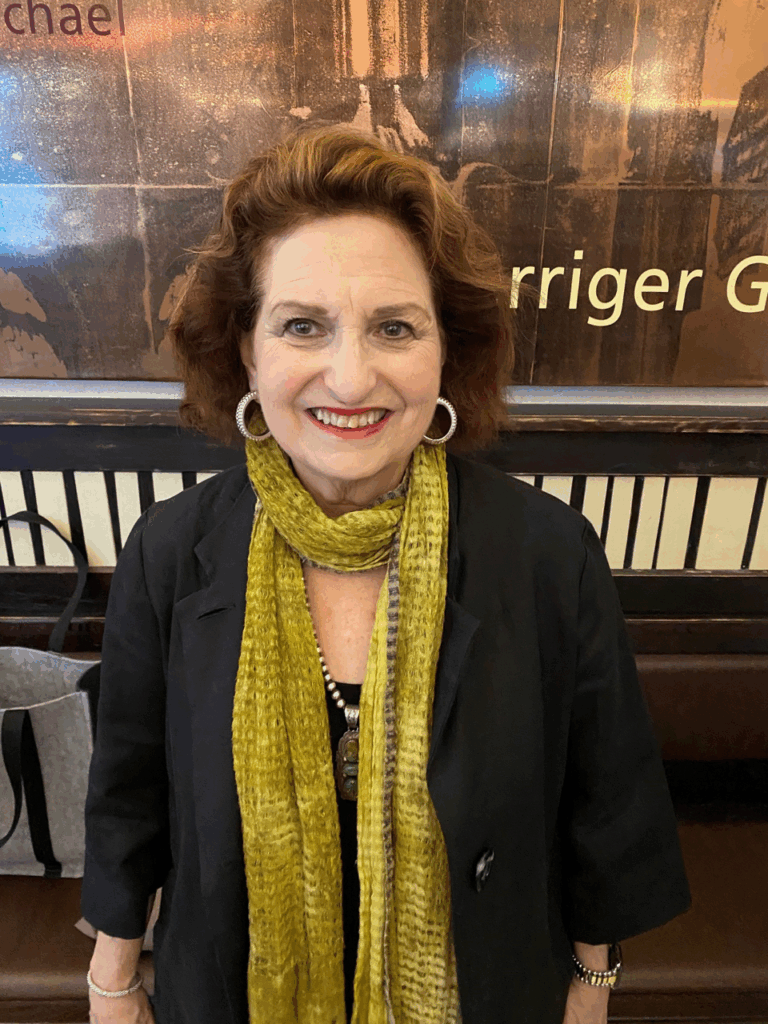
In her moving lecture, Dr. Karen Glinert Carlson uses her own family’s story to illustrate: If you want to learn what family story has to do with civil engagement, democracy, and antiracism, this lecture offers deep insights. Download the PowerPoint Presentation here:
Online Lecture with Prof. Dr. Marten Risius, “Fake News in the Political Discourse”

How can You distinguish Fake News from Facts? In this lecture, Prof. Dr. Marten Risius explains the different types of fake news and how we can distinguish facts from misinformation. He begins by clarifying key terms, then outlines the evolution of fake news with a focus on recent developments. The talk also addresses how fake news can be identified and highlights the particular challenges of dealing with it. The lecture concludes with a discussion session. If you want to gain a better understanding of how fake news arises, spreads and can be detected, this lecture offers valuable insights. Watch the lecture to learn how to deal with these challenges and identify fake news. Download the PowerPoint Presentation here: Download the Glossary of important words:
Online Lecture with Prof. Dr. Brigitte Geißel, “Democracy as Self-Government – Democratic Innovations by and with Citizens”
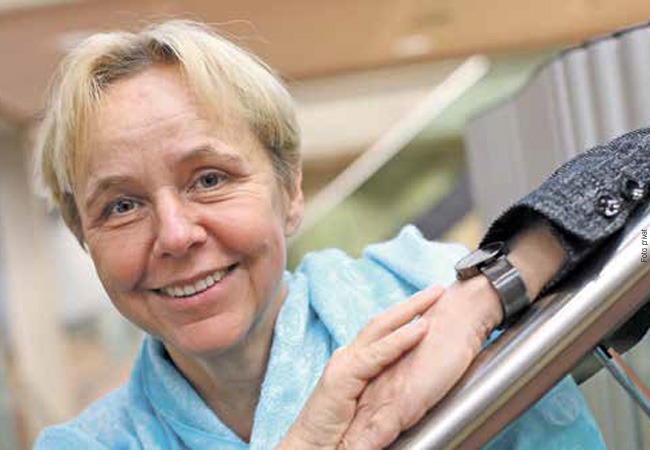
What does democracy look like between elections? In this lecture, Prof. Dr. Brigitte Geißel examines how well-designed citizen participation can make public decisions fairer, more informed, and more widely trusted. Drawing on research and real cases, the talk reviews practical formats such as citizens’ assemblies (by lot), participatory budgeting, future workshops, and digital platforms. It sets out what makes these processes effective: inclusive recruitment, clear and balanced background information, independent facilitation, sufficient time for deliberation, and—crucially—a binding connection to councils and administrations so results do not remain unimplemented. The lecture also addresses typical pitfalls: barriers to access, misinformation and polarization, participation fatigue, and symbolic processes without impact. It outlines straightforward remedies—targeted outreach and accessibility measures, fact-checking routines, transparent follow-up, and formal anchoring within existing institutions. If you want a clear, evidence-based overview of how communities can turn participation into implementable decisions, this talk provides a solid orientation and practical starting points.Watch the lecture to see where to begin, what to avoid, and how democratic innovation can complement representative politics in a serious and workable way. Download the PowerPoint Presentation here: