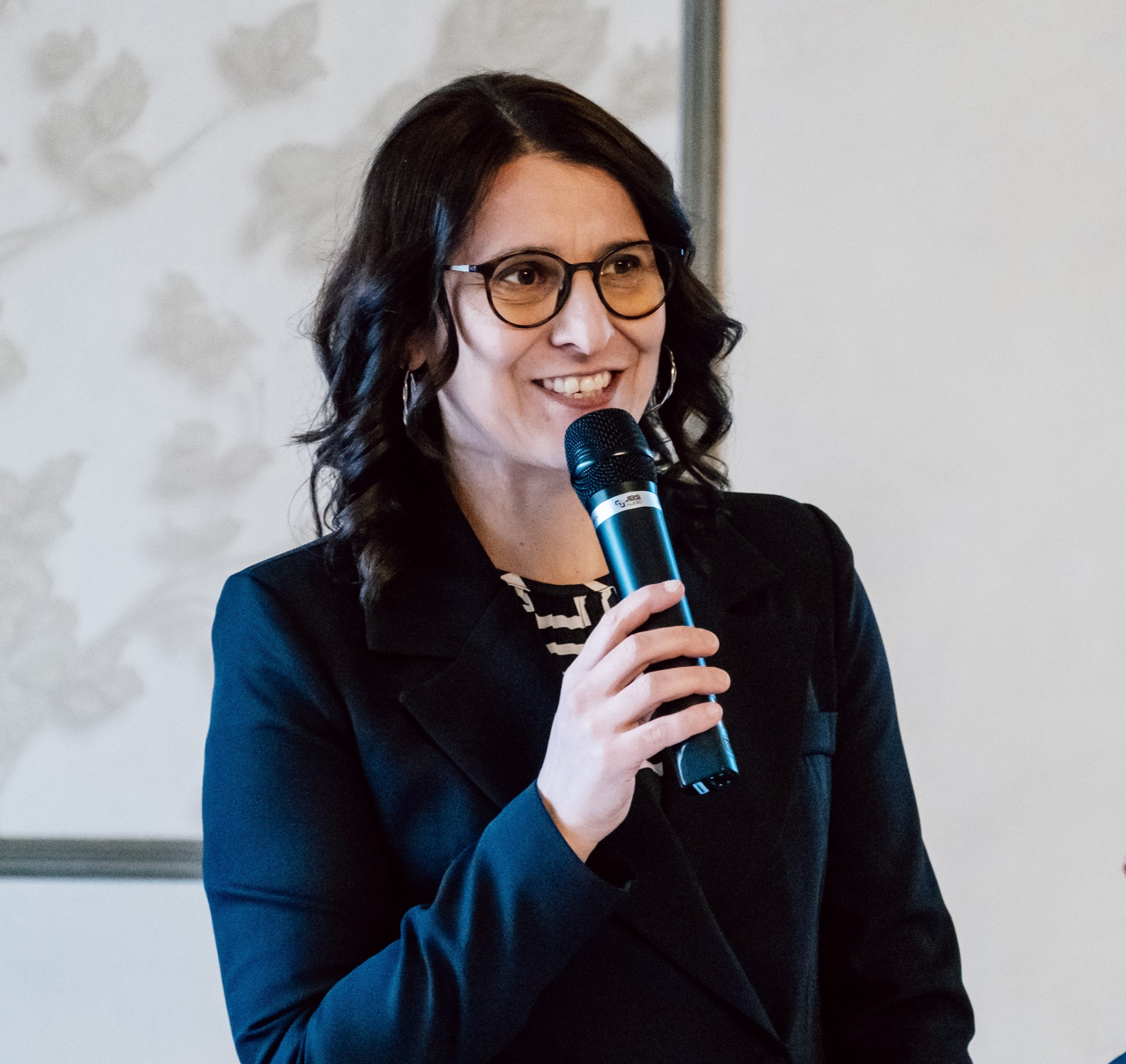
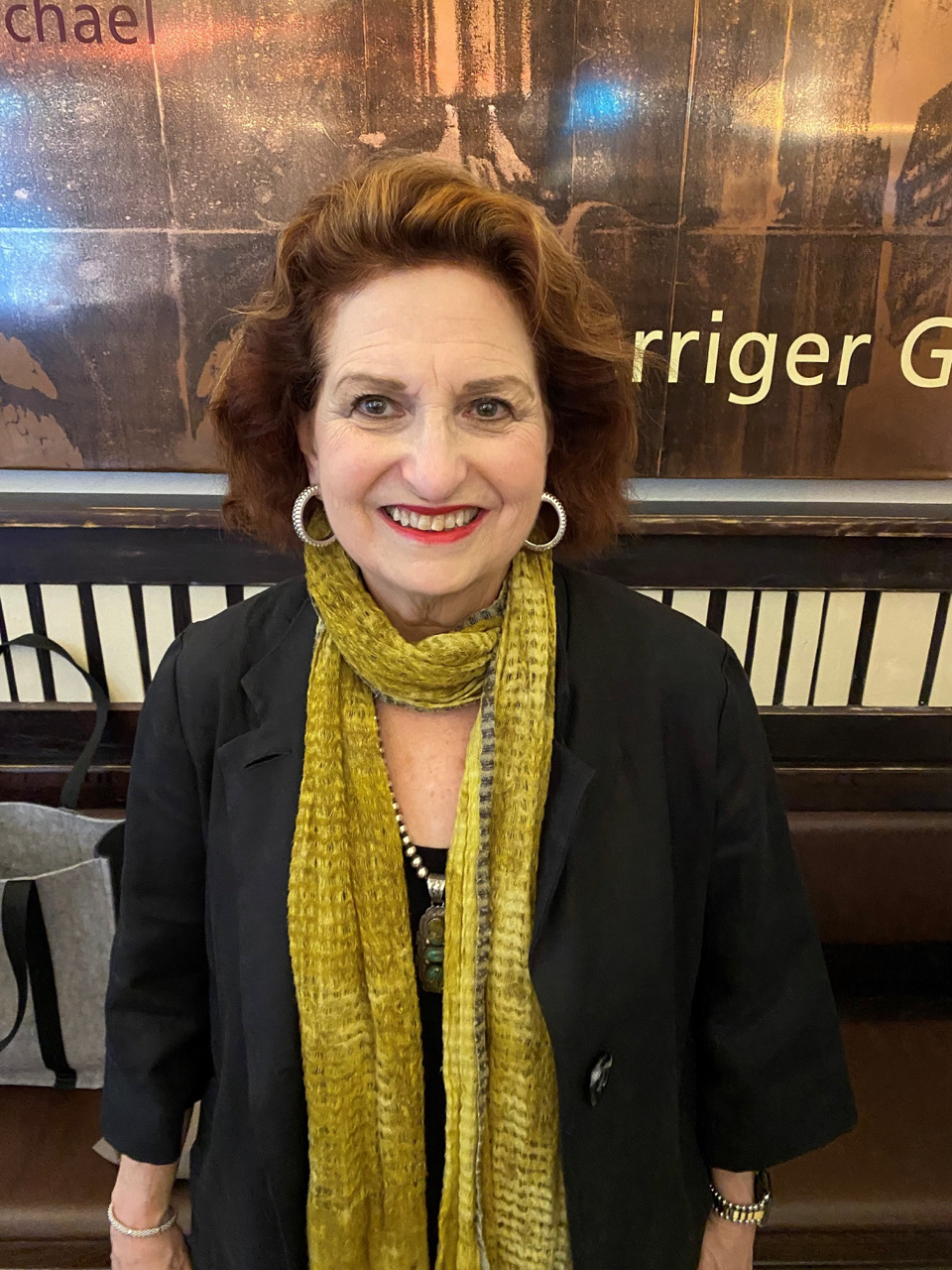
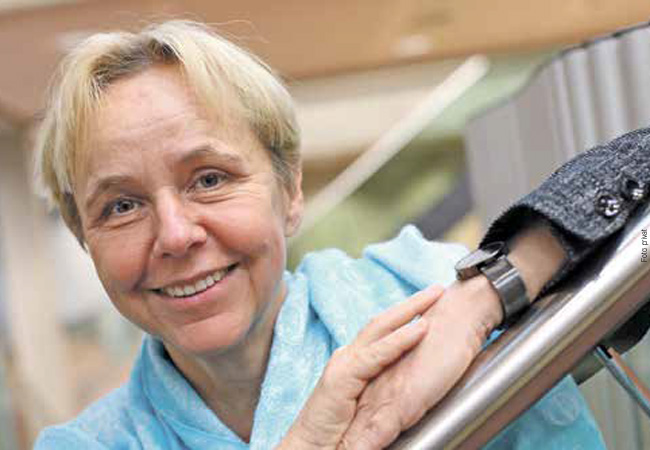
On Tuesday, 26 May 2026, at 6:00 p.m. (CET), we look forward to welcoming Ljiljana Čumura, a master of sociology, and project manager, with vast experience in the governmental and international NGO sectors. In her lecture Ljiljana will share the story from her project “The Services of Support – A Step Towards Independent Life” as an inspiring example of what’s possible when communities come together. The project brings to life the values of social inclusion, intergenerational support, volunteerism, and solidarity – the kind of democratic values that matter most when put into practice.
The event will be held in English, with translation into German, Bulgarian, Romanian, Serbian and Ukranian.
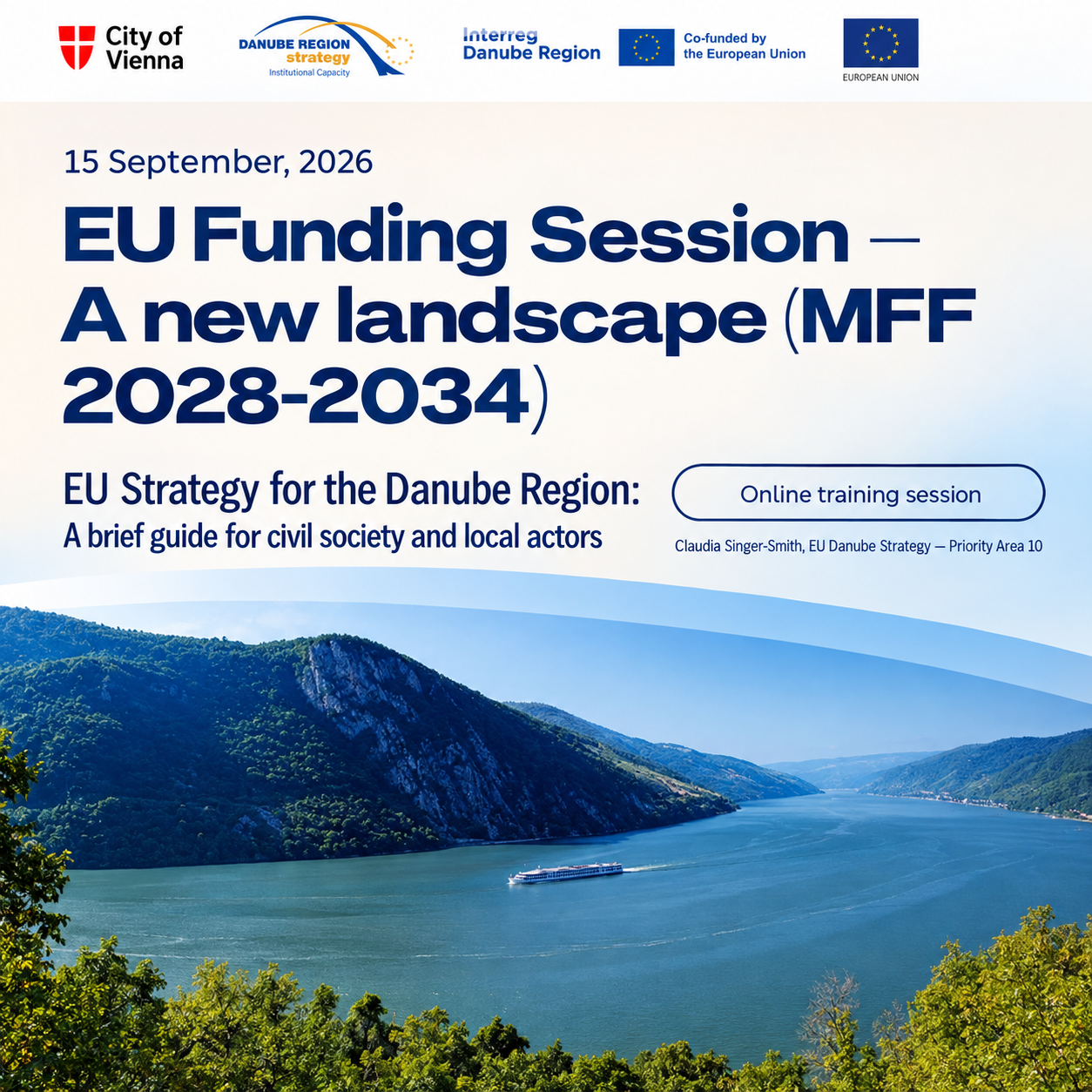
On 15 September 2026, colleagues and partners from across the Danube Region and other European countries came together for the online training “Potential Funding Opportunities in the EU Context.”
The session was organised within the framework of the project “New Voices on the Danube” and conducted by our colleagues from Priority Area 10 (PA10), Andreea Prasacu and Claudia Singer-Smith.
A total of 30 participants from 8 Danube countries took part in the session.
Claudia Singer-Smith introduced the aims and activities of Priority Area 10 (PA10). Andreea Prasacu then presented an overview of potential EU funding programmes and financing opportunities for future projects and provided initial guidance on how to identify suitable funding opportunities and prepare for future EU project applications.
The meeting also offered participants the opportunity to exchange ideas, connect with potential project partners and explore possibilities for future cooperation across the Danube Region.
For the first time in one of our online training sessions, we used Wordly, which provides automatic live text and audio translation in several languages. This helped make the international exchange more accessible and enabled participants to follow the session in their preferred language.
Short Report
The short report from the session is available here:
Short Report: Online Training – Potential Funding Opportunities in the EU Context [Read the short report]
In his lecture “What Does Solidarity Mean?”, Oskar Brabanski explored the philosophical and biblical origins of the concept as well as its limitations.
The lecture was held in German, with translation into English,
Today, people often live next door to each other without knowing one another. Many people are under strong time pressure or have very different interests. Young and old people rarely meet in a natural and friendly way. Since the coronavirus pandemic, the number of people who describe themselves as lonely has increased in all age groups.
In her lecture Carmen Stadelhofer shows how Neighbourhood’ as a social construct has
changed and how digital media can help to strenghten social cohesion:
Theatre pedagogy provides a unique space where global issues are not only discussed intellectually but also experienced and negotiated collectively. Within the framework of Global Citizenship Education (GCE), the aim is to empower individuals to see themselves as part of a global community, to take responsibility, and to act towards a fairer and more sustainable world. Theatre – as an art form grounded in empathy, collaboration, and imagination – offers powerful ways to explore these goals.
In her lecture Dr- Stanescu examines how methods can make complex global realities tangible and relatable. Through practical examples, she illustrates how theatre-based learning engages mind, body, and emotions, encouraging participants to reflect critically while developing compassion and agency.
In this lecture, Prof. Dr. Marten Risius explains the different types of fake news and how we can distinguish facts from misinformation. He begins by clarifying key terms, then outlines the evolution of fake news with a focus on recent developments. The talk also addresses how fake news can be identified and highlights the particular challenges of dealing with it. The lecture concludes with a discussion session.
If you want to gain a better understanding of how fake news arises, spreads and can be detected, this lecture offers valuable insights. Watch the lecture to learn how to deal with these challenges and identify fake news.
In this lecture, Prof. Dr. Brigitte Geißel examines how well-designed citizen participation can make public decisions fairer, more informed, and more widely trusted.
Drawing on research and real cases, the talk reviews practical formats such as citizens’ assemblies (by lot), participatory budgeting, future workshops, and digital platforms. It sets out what makes these processes effective: inclusive recruitment, clear and balanced background information, independent facilitation, sufficient time for deliberation, and—crucially—a binding connection to councils and administrations so results do not remain unimplemented.
The lecture also addresses typical pitfalls: barriers to access, misinformation and polarization, participation fatigue, and symbolic processes without impact. It outlines straightforward remedies—targeted outreach and accessibility measures, fact-checking routines, transparent follow-up, and formal anchoring within existing institutions.
If you want a clear, evidence-based overview of how communities can turn participation into implementable decisions, this talk provides a solid orientation and practical starting points. Watch the lecture to see where to begin, what to avoid, and how democratic innovation can complement representative politics in a serious and workable way.